


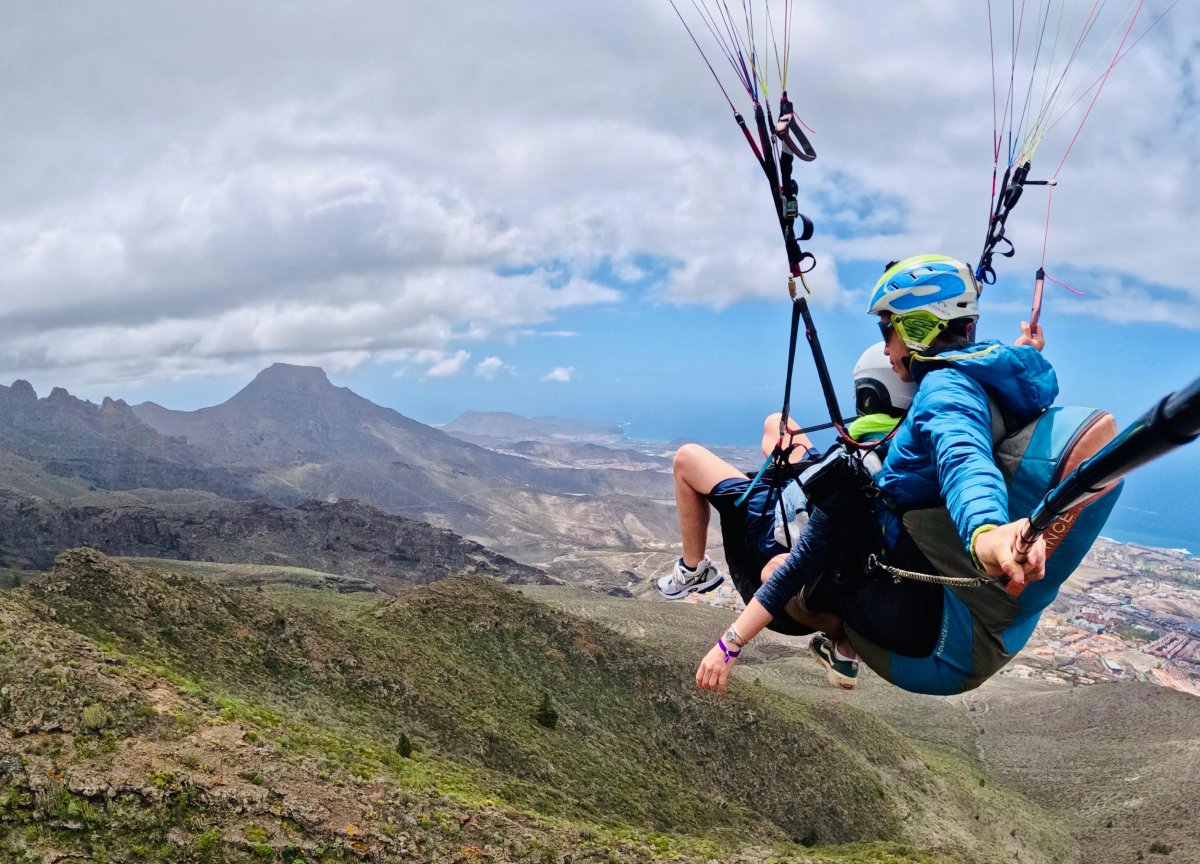
Planning your next paragliding adventure but unsure when to take to the skies? Choosing the best time for paragliding can make the difference between an unforgettable experience and a flight that falls short of expectations. In this comprehensive guide, we’ll help you understand optimal weather conditions, the best seasons of the year, and ideal destinations to enjoy tandem paragliding in Tenerife and other spectacular locations worldwide.
Paragliding is hugely dependent on weather conditions, but the good news is that it can be practised year-round in many destinations. The key is knowing what to expect from each season and how to prepare accordingly. Whether you’re after a tandem paragliding flight in Tenerife South or planning to explore other destinations, this guide will provide all the information you need to make the right decision.
Understanding Ideal Weather Conditions for Paragliding
Before booking your paragliding flight, it’s essential to understand which weather conditions are most suitable for this activity. Paragliding is an air sport that depends entirely on atmospheric conditions, so knowing the key factors will help you plan your experience better.
Optimal Wind for Flying
Wind strength is one of the most important factors. For a safe and enjoyable flight, ideal conditions include winds between 5 and 20 km/h. Winds that are too strong can make take-off impossible, whilst a complete absence of wind presents similar challenges. For tandem flights, it’s advisable to stay below 20 km/h.
Visibility and Clear Skies
Although many people believe you need completely clear skies for paragliding, the reality is that you can also fly on cloudy days, provided visibility is good. What matters most is being able to clearly see the landing zone, other paragliders in the sky, and potential obstacles. Low-lying fog and orographic clouds that form around hills should be avoided, as they drastically reduce visibility.
Thermal Conditions
Thermals are columns of rising air created when the sun heats the earth’s surface. These thermals allow paragliders to gain altitude and remain airborne for longer. They’re most frequent during spring and winter, particularly between 11:00 and 17:00. For long-distance or cross-country flights, thermal conditions are essential, whilst for more relaxed flights, laminar conditions with steady winds are preferable.
When to Go Paragliding by Season
Each season offers unique characteristics for paragliding. Understanding the advantages and challenges of each period will allow you to choose the ideal time according to your preferences and experience level.
Spring
Spring is considered by many pilots as one of the best times for paragliding. During these months, the sun begins to gain strength but temperatures remain pleasant, creating excellent thermal conditions without summer’s extreme heat.
Advantages of flying in spring:
- Strong but predictable thermals that allow longer flights
- Green, flowering landscapes offering spectacular views
- Moderate temperatures both on the ground and in the air
- Fewer tourists at most destinations
- Stable conditions throughout much of the day
Important considerations:
Beginner pilots should exercise caution during the middle of the day when thermals can become more turbulent. It’s advisable to fly early morning or at dusk if you’re after gentler conditions. In Tenerife South, spring offers exceptional conditions for tandem paragliding in Adeje, with pleasant temperatures and steady winds.
Summer
Summer brings the longest days of the year, meaning more daylight hours to enjoy flying. However, it also presents specific challenges worth knowing about.
Paragliding characteristics in summer:
- Longer days allow flights to be planned at different times
- Flights predominantly involve gliding with little chance of gaining altitude
- Elevated temperatures requiring proper hydration
- Greater numbers of people at take-off and landing zones
Best times to fly in summer:
During summer, the best hours for flying tend to be early morning (between 09:00 and 11:00) or late in the day (from 18:00 onwards), when conditions are gentler.
In destinations like Tenerife, where the climate is exceptional, summer remains an excellent time for tandem paragliding in Tenerife South.
Autumn
Autumn is a marvellous season for paragliding, especially for those seeking tranquil scenic flights. Conditions become gentler compared to summer, yet remain sufficiently active to enjoy good flights.
Why autumn is ideal for flying:
- Moderate thermal conditions, perfect for all levels
- Autumn landscapes with spectacular colours
- Less turbulence than in spring
- Ideal for beginners wanting to improve their technique
- Pleasant temperatures without winter’s chill
Autumn flights tend to be longer than in other seasons, as thermals, whilst less intense, are more stable. This allows pilots to enjoy more relaxed experiences whilst contemplating beautiful autumn landscapes from the air.
Winter
Contrary to what many people believe, winter doesn’t stop paragliding. Although conditions are different, winter flying offers unique and exciting experiences. It’s genuinely the best time of year to fly in the Canary Islands.
Winter paragliding characteristics:
- More thermal conditions
- More stable atmosphere, ideal for smooth flights in the early morning and late afternoon
- Spectacular winter landscapes, especially in mountainous areas
- Shorter days limiting flying hours
- Requires appropriate equipment for the cold
Privileged winter destinations:
Places like Tenerife become true paragliding paradises during winter. Whilst much of Europe experiences difficult conditions, the Canary Islands maintain average temperatures of 19°C, allowing flying practically every day. Paragliding in Tenerife Adeje during winter offers the perfect combination of mild climate and stable conditions.
What Do I Need for Winter Paragliding?
To enjoy winter paragliding safely and comfortably, consider the following:
- Appropriate clothing: Layers that retain warmth but allow perspiration
- Windproof jacket: Protection against cold wind at altitude
- Closed, comfortable footwear: Boots or trainers with good grip
- Updated weather information: Weather can change quickly in winter
In warm destinations like Tenerife South, winter equipment can be much lighter, as temperatures remain pleasant throughout the year.
The Climate Where You’re Flying
Beyond general seasons, each flying zone has its own microclimate that significantly affects paragliding conditions. Factors such as altitude, proximity to the sea, mountain orientation, and local vegetation create unique conditions in each location.
Local climate factors to consider:
- Sea breezes: In coastal areas, sea breezes develop during the day and can intensify wind
- Valley effect: Valleys create their own wind systems with valley and mountain breezes
- Slope orientation: East-facing slopes are better in the morning, west-facing in the afternoon
- Take-off altitude: Higher altitude means colder temperatures and more extreme conditions
In Tenerife South, paragliding in Adeje benefits from an exceptionally stable microclimate thanks to the protection Mount Teide offers against northerly winds, creating gentle and predictable conditions for most of the year.
In Which Weather Conditions Can’t You Fly?
Knowing when not to fly is as important as knowing when to do so. There are specific weather conditions that make flying dangerous or impossible.
Prohibitive conditions for paragliding:
Rain
Flying in rain is extremely dangerous. Water affects the wing’s aerodynamics, making it heavier and less controllable. Modern wings have some waterproof treatment, but even a few drops can alter the paraglider’s behaviour. If you’re caught in rain whilst airborne, you must land immediately in a safe location.
Winds Above 20 km/h
When winds exceed 20 km/h in the take-off zone, the risk of turbulence, loss of control, and being pushed backwards increases dramatically. Experienced pilots can handle stronger winds, but for tandem flights and beginners, such winds are unacceptable.
Fog and Low Visibility
Reduced visibility prevents seeing obstacles, other paragliders, and the landing zone. Flying in fog is dangerous and prohibited under most aviation regulations.
Foehn and Irregular Mountain Winds
Foehn winds and mountain waves create severe turbulence that can collapse the wing or make control impossible. These conditions are particularly dangerous because they can appear calm at take-off but be extremely turbulent at altitude.
At professional companies like Brisa Paragliding Tenerife, our pilots constantly evaluate weather conditions and cancel flights if they don’t meet safety standards, always prioritising passengers’ wellbeing.
Fly in the Best Season with Complete Safety
Choosing the best time for paragliding depends on multiple factors: your experience level, the type of flight you’re after, your chosen destination, and personal preferences. Although each season has its particular characteristics, the reality is that paragliding can be practised year-round if you choose the right destination.
Tenerife South stands out as one of the world’s best locations to enjoy paragliding throughout the year, especially between October and May, when conditions are most favourable. Tandem paragliding in Tenerife Adeje offers the perfect combination of safety, spectacular landscapes, and ideal weather conditions for people of all ages and experience levels.
Always remember to prioritise safety above all other factors. Flying with professional, certified companies, with experienced pilots and approved equipment, is fundamental to enjoying an unforgettable experience.
Ready to Fly? Your Adventure Starts Here
If you’re looking to experience paragliding in one of the world’s finest destinations, Brisa Paragliding Tenerife offers tandem paragliding flights over the impressive Barranco del Infierno with views of Mount Teide. With over 25 years of experience and a multilingual team of certified pilots, they guarantee your safety and enjoyment on every flight.
Need more information? Send us a WhatsApp and we’ll answer all your questions. Free collection from Costa Adeje, Playa de las Américas, Los Cristianos, Playa Paraíso, and Callao Salvaje.
Don’t wait any longer and book your paragliding flight in Tenerife South today! The best time to fly is when you decide to take the leap.